facebook twitter instagram linkedin google youtube vimeo tumblr yelp rss email podcast phone blog search brokercheck brokercheck Play Pause

The Other 90%

A significant portion of investment return is based upon asset allocation; our client eNewsletters are written with this in mind.


Welcome to Gratke Wealth, LLC eNewletters, where we focus on how to invest during the biggest financial asset bubble of the past one hundred years.

Note the chart below, value of U.S. Stock Market relative to U.S. GDP output. Hopefully, this graph leaves no doubt in the reader's mind about the biggest financial bubble in the past one hundred years.

"QE* was designed to punish responsible financial behavior."
—@spomboy

* QE= Quantitative Easing, where central banks inject/print new money into the economy via low interest rates which distorts asset prices.

For your information, we write numerous client newsletters throughout the year. However, most letters are not shown publicly on our site. We appreciate the advocacy from our clients, which is our reason for this action.

%POST_TITLE% Thumbnail

The Great Fixed-Income Reset Global Bond Markets, Autumn 2026

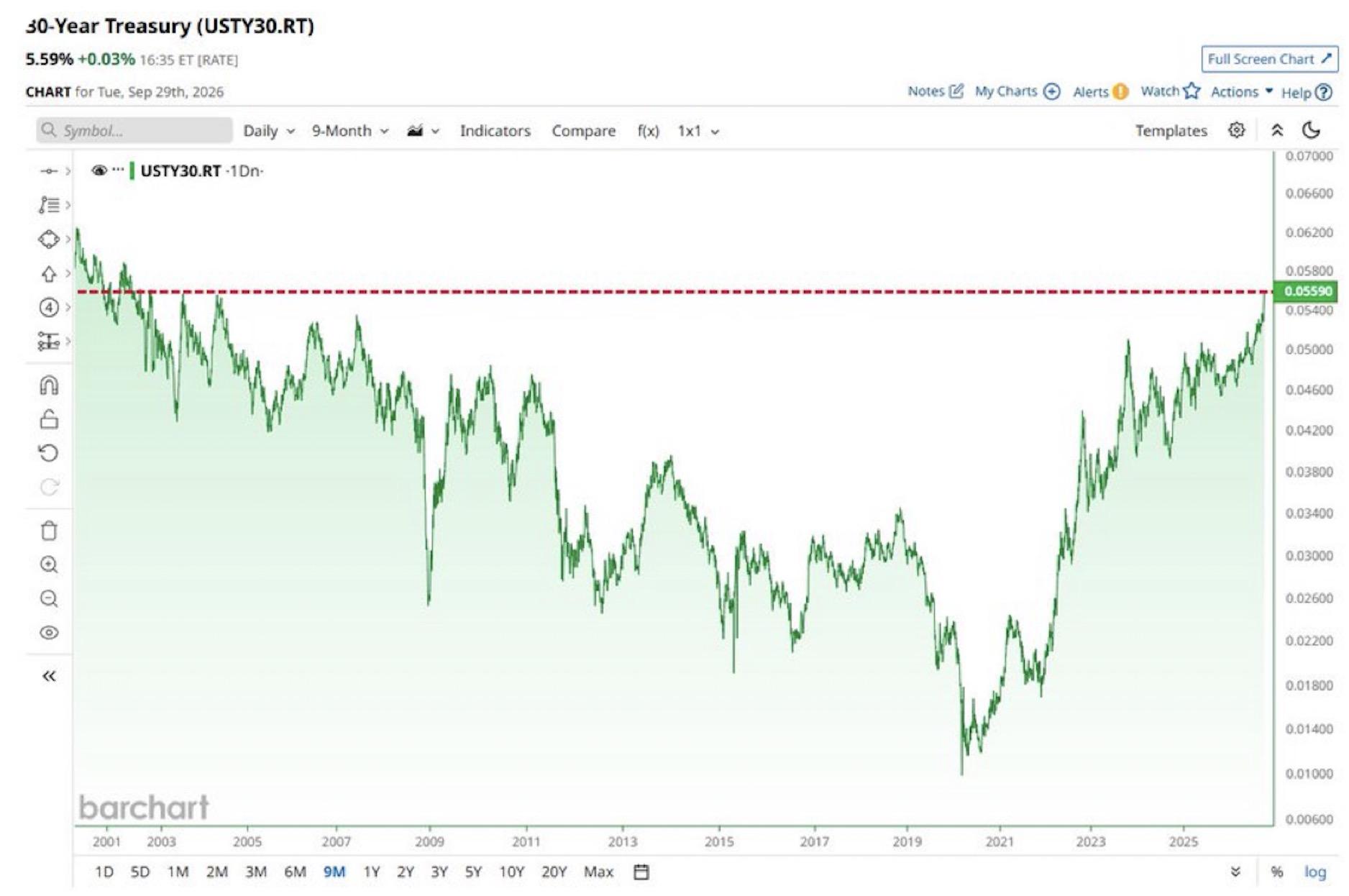
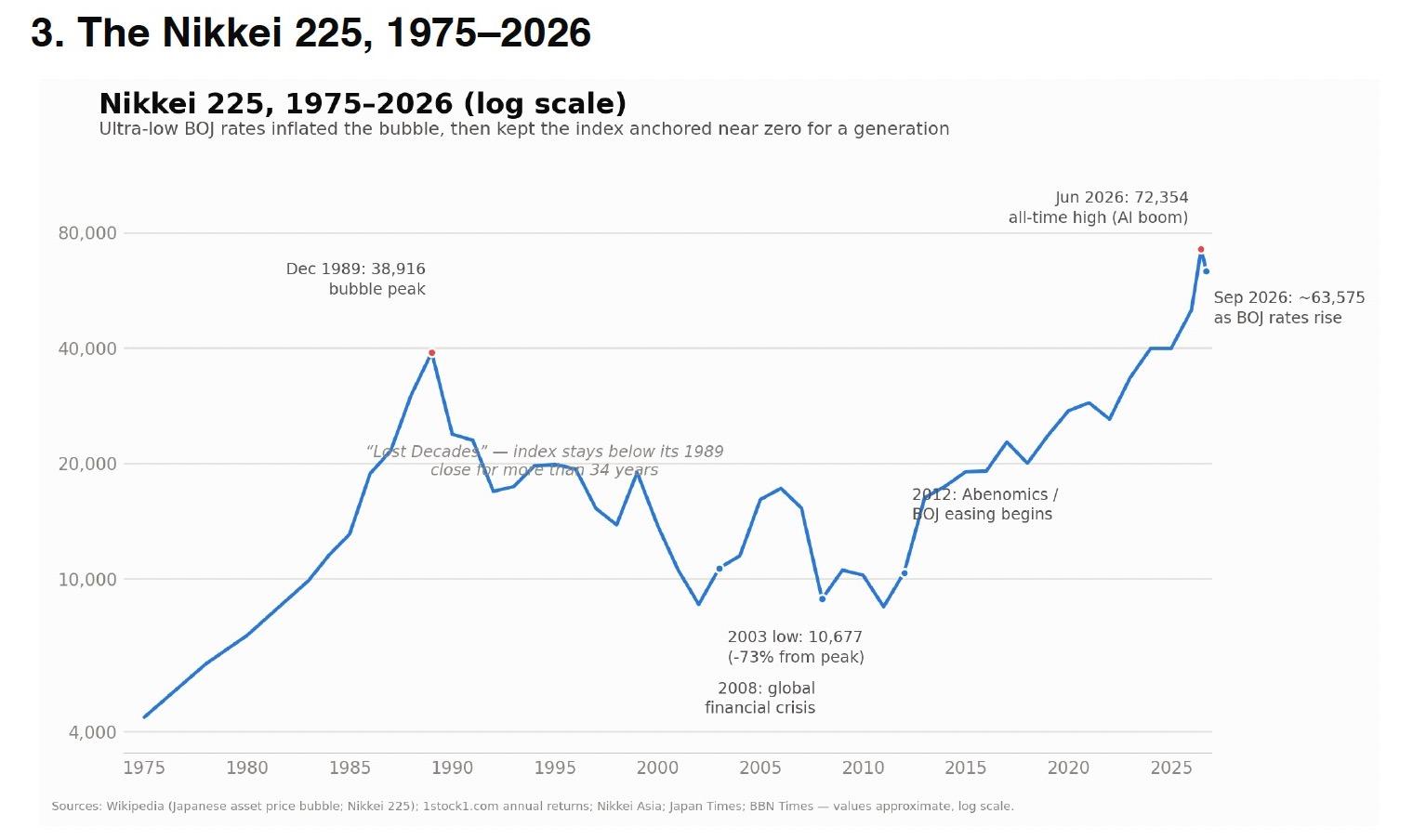
After years near zero, global bond yields have climbed to levels we have not seen in a long time, and the speed of that move matters as much as the number itself. Markets and economies can usually adapt to almost any level of rates if they have time. It is a rapid change that tends to cause the most disruption. That is why today's environment deserves close attention. We are seeing a reset in global fixed income. It touches everything from mortgage and business borrowing costs to government budgets to the way investors think about risk. When rates move this quickly, it feels less like a gradual adjustment and more like a pressure test for the whole financial system.
Read More
%POST_TITLE% Thumbnail

U.S. National Debt: A Look at the Numbers from 1980 to Present

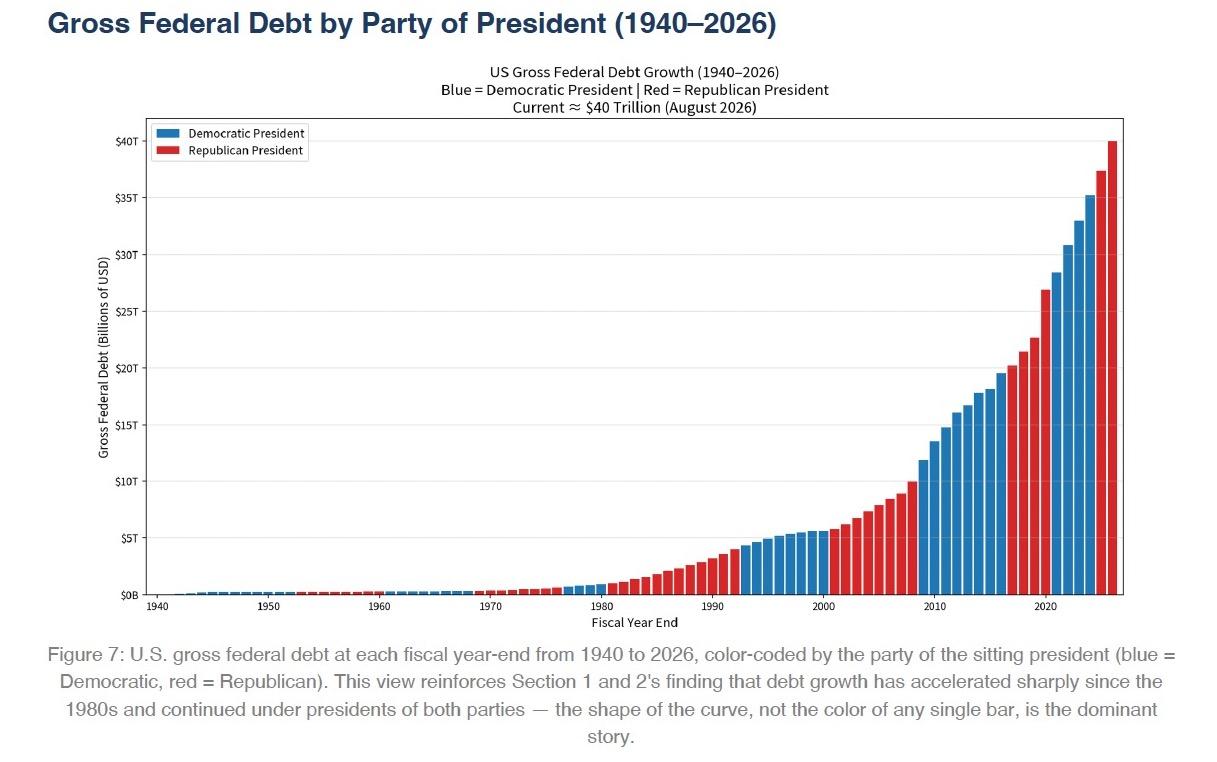
Gross U.S. national debt crossed $40 trillion for the first time in August 2026 - more than double the $19.95 trillion recorded when Trump first took office in January 2017. Debt has grown under every administration examined, Republican and Democrat alike, driven by wars, recessions, tax cuts, and emergency spending (the 2008 financial crisis and COVID-19 chief among them). Financial commentators and lawmakers are quick to assign blame along party lines, but as detailed in Section 6, it is Congress - not the president alone - that constitutionally controls taxation and spending. And because Americans elect both the Congress and the president who together produce these outcomes, taxpayers bear a share of accountability for the fiscal choices made in their name.

Read More